
 Web Design
07 Oct, 2026
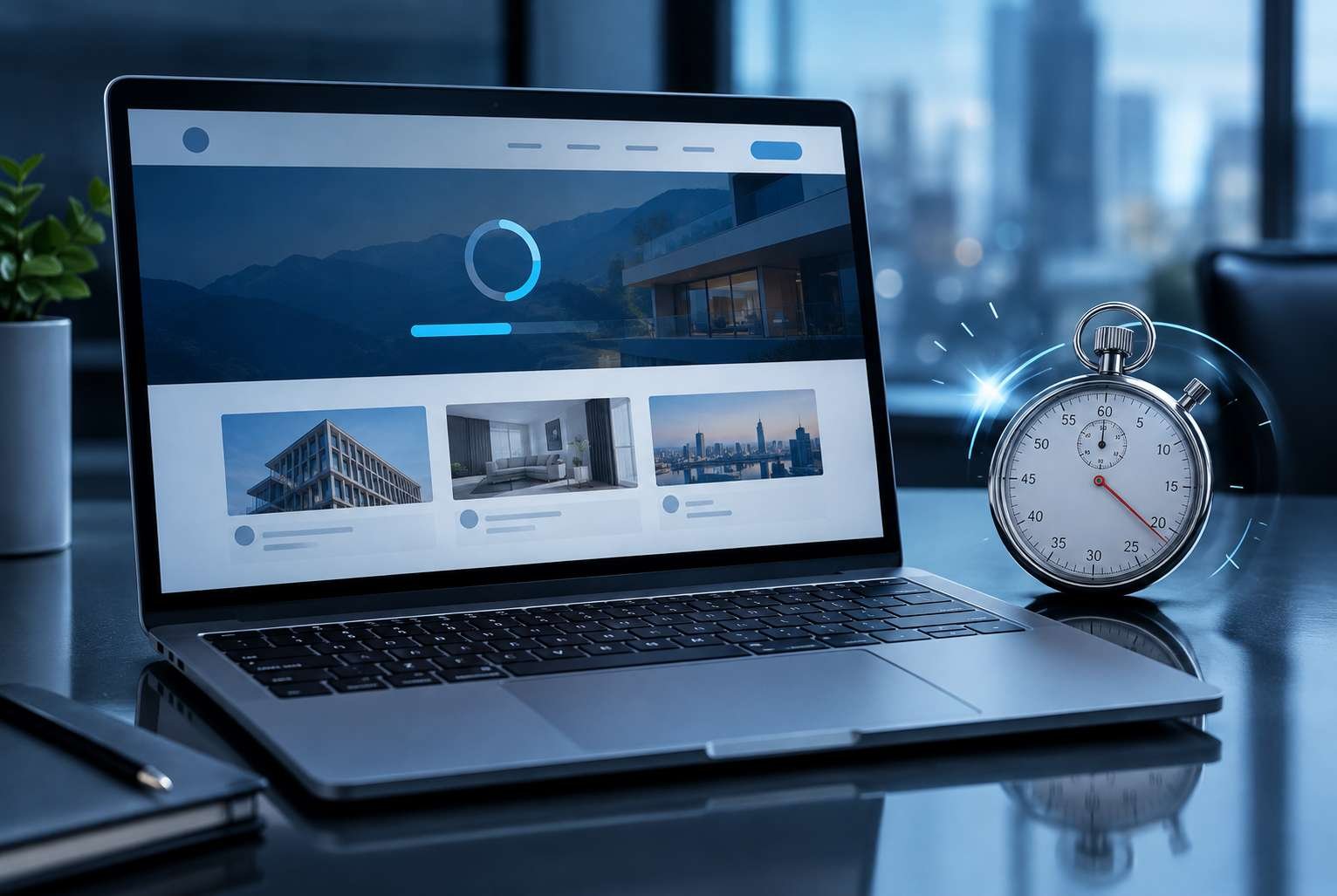
Imagine a customer walking into your shop and waiting a full minute before anyone notices them. Most would leave. A slow website does exactly this to your online visitors. If your pages take more than three seconds to load on a phone, many people close the page before they even see what you offer.
Websites usually become slow because of heavy images that were never compressed, too many plugins, large sliders and videos on the homepage, outdated themes and cheap shared hosting. Over time, as more content and features are added without care, the website gets heavier and slower.
The impact is bigger than most owners realise. Slow websites have fewer enquiries, lower sales and higher advertising costs, because paid visitors leave before the page loads. Google also uses page speed as a ranking signal, so a slow website can slip down in search results and lose free traffic as well.
Fixing speed needs a technical approach. This includes compressing and resizing images, removing unnecessary plugins and scripts, using caching, cleaning up code, upgrading to better hosting and improving Google's Core Web Vitals scores. In many cases, a few focused changes can make a website load two or three times faster.
Our team offers speed optimisation as part of our website development services. We start with a detailed speed test, find exactly what is slowing your site down and fix the issues one by one. For new projects, we build lightweight, fast-loading websites from the start, so speed problems do not appear later.
Your website should feel fast and smooth on every phone, even on mobile data. If it does not, you are losing customers you will never know about. Request a free website speed report from our team and see how much faster your website could be.

 +91 63594 67583